Global Talent Search & Executive Search Services | Vaishnavi Consultancy Services

Author name: wp_admin

Uncategorized

Contract Staffing vs Permanent Hiring: Which Model Works Best?

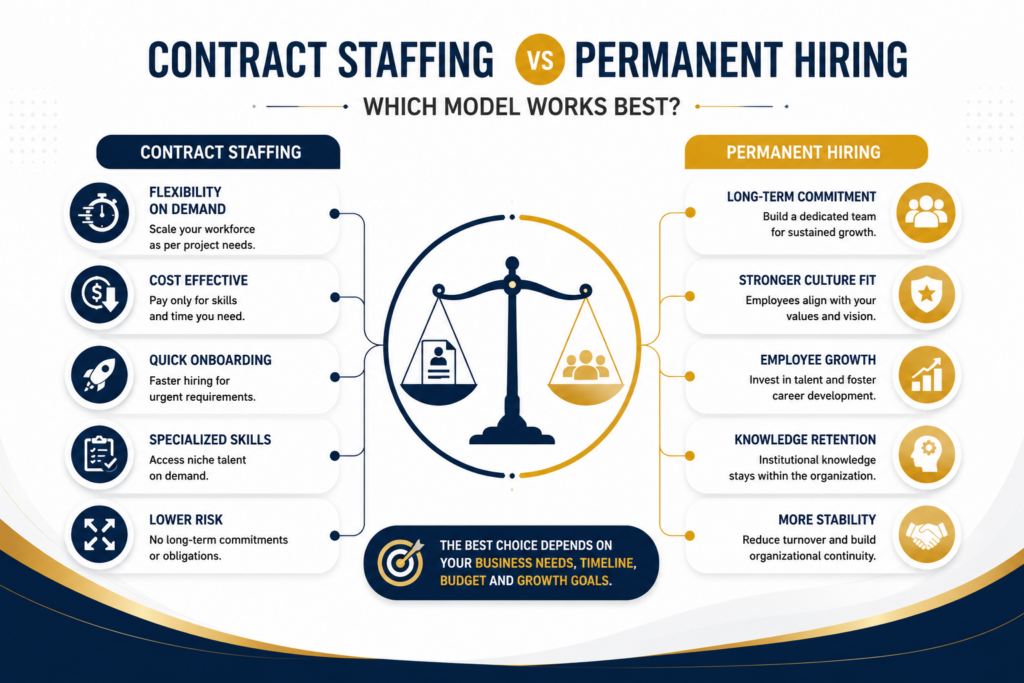
Staffing Solutions for a Dynamic Workforce Discover how contract staffing and permanent hiring models help organizations access skilled talent, reduce hiring risks, and improve workforce productivity. Introduction In today’s fast-changing business environment, organizations need flexible and efficient workforce solutions to remain competitive. As industries evolve and workforce demands fluctuate, businesses often face challenges in finding the right talent at the right time. Staffing solutions help organizations address these challenges by providing access to qualified professionals while maintaining workforce flexibility and operational efficiency. Whether businesses require temporary staff for short-term projects, contract professionals for specialized roles, or permanent employees for long-term growth, strategic staffing solutions ensure organizations have the talent needed to achieve their objectives and sustain business success. What Are Staffing Solutions? Staffing solutions are workforce management services that help organizations identify, recruit, and deploy qualified professionals based on specific business requirements. These solutions support businesses in filling temporary, contract, project-based, and permanent positions while ensuring workforce continuity and productivity. Unlike traditional hiring methods, staffing solutions provide organizations with greater flexibility and access to a broader talent pool. They enable businesses to respond quickly to changing workforce needs while reducing recruitment challenges and administrative burdens. Why Staffing Solutions Matter Organizations that invest in professional staffing solutions gain significant advantages in workforce management and operational efficiency. Effective staffing strategies help businesses reduce hiring delays, improve workforce productivity, access specialized talent, and adapt to changing market demands. By leveraging staffing expertise, companies can focus on their core business operations while ensuring they have the right people in place to support growth, innovation, and customer satisfaction. Contract Staffing Contract staffing provides organizations with access to skilled professionals for specific projects, seasonal demands, or temporary workforce requirements. This approach offers businesses greater flexibility while allowing them to scale their workforce according to operational needs. Contract staffing helps organizations manage workload fluctuations, reduce long-term employment commitments, and quickly fill critical positions with experienced professionals. It is particularly beneficial for businesses operating in dynamic industries where workforce requirements frequently change. Permanent Staffing Permanent staffing focuses on identifying and hiring professionals for long-term roles within an organization. Building a strong permanent workforce is essential for business continuity, organizational culture, and sustained growth. Professional staffing services assist organizations in sourcing qualified candidates, conducting assessments, managing interviews, and ensuring successful placements. This structured approach helps businesses secure top talent while reducing recruitment risks and turnover rates. Workforce Flexibility and Scalability Modern businesses require workforce solutions that can adapt to changing operational demands. Staffing services provide the flexibility to increase or decrease workforce capacity as needed, enabling organizations to respond efficiently to market opportunities and business challenges. Scalable staffing solutions support business expansion, project-based hiring, seasonal workforce requirements, and organizational restructuring without compromising productivity or service quality. Access to Specialized Talent Many organizations face difficulties in sourcing professionals with specialized skills and industry expertise. Staffing solutions provide access to extensive talent networks that help businesses identify qualified candidates for technical, managerial, and niche positions. This access to specialized talent enables organizations to fill critical roles quickly, reduce hiring timelines, and maintain competitive advantage in their respective industries. Faster Hiring and Reduced Recruitment Costs Recruitment can be a time-consuming and resource-intensive process. Staffing providers streamline candidate sourcing, screening, assessment, and onboarding activities, significantly reducing hiring timelines. By utilizing professional staffing services, organizations can lower recruitment costs, minimize vacancy periods, and improve overall hiring efficiency. Faster hiring processes ensure business operations continue without disruption and productivity levels remain high. Compliance and Workforce Administration Managing employment documentation, labor regulations, workforce records, and onboarding processes can be complex. Staffing solutions help organizations maintain compliance with employment requirements while ensuring proper workforce administration. Professional staffing providers handle essential administrative responsibilities, allowing businesses to focus on strategic initiatives rather than operational paperwork and compliance management. Challenges Businesses Face in Workforce Management Organizations often encounter workforce-related challenges such as talent shortages, high employee turnover, fluctuating staffing requirements, lengthy recruitment cycles, and increasing competition for skilled professionals. These challenges can affect productivity, business performance, and growth opportunities. Staffing solutions help address these issues by providing structured recruitment processes, access to qualified talent pools, and flexible workforce management strategies that support organizational objectives. How Staffing Solutions Support Business Growth An effective staffing strategy plays a crucial role in supporting business growth and long-term success. By ensuring timely access to qualified professionals, improving workforce productivity, reducing hiring risks, and enhancing operational flexibility, staffing solutions enable organizations to achieve their goals more efficiently. Businesses that adopt strategic staffing practices are better positioned to respond to market changes, expand into new opportunities, and maintain a competitive edge in an evolving business landscape. Best Practices for Effective Staffing Organizations can maximize staffing success by developing workforce plans aligned with business goals, building strong talent pipelines, leveraging industry-specific recruitment expertise, maintaining efficient onboarding processes, and continuously evaluating workforce performance. These best practices help businesses attract, engage, and retain high-quality professionals while supporting sustainable growth and operational excellence. Conclusion Staffing solutions are essential for organizations seeking to build agile, productive, and future-ready workforces. Whether through contract staffing, permanent hiring, or flexible workforce models, effective staffing strategies help businesses access the right talent, reduce recruitment challenges, and improve organizational performance. By partnering with experienced staffing professionals, organizations can strengthen workforce capabilities, increase operational efficiency, and create a strong foundation for long-term business success. Build a Stronger Workforce with Expert Staffing Solutions Vaishnavi Consultancy Services provides comprehensive staffing solutions, including contract staffing, permanent recruitment, workforce planning, talent sourcing, and recruitment support services. Our experienced team helps organizations find the right talent, improve workforce flexibility, and build high-performing teams that drive sustainable business growth. Contract Staffing vs Permanent Hiring: Which Model Works Best? Read More → Strategic Talent Advisory: Building a Future-Ready Workforce Read More → Essential HR Services Every Growing Business Needs Read More → Top Hiring Trends Shaping Recruitment Read More → Benefits of Payroll Outsourcing for Growing Businesses Read More →
Talent Advisory

Strategic Talent Advisory: Building a Future-Ready Workforce

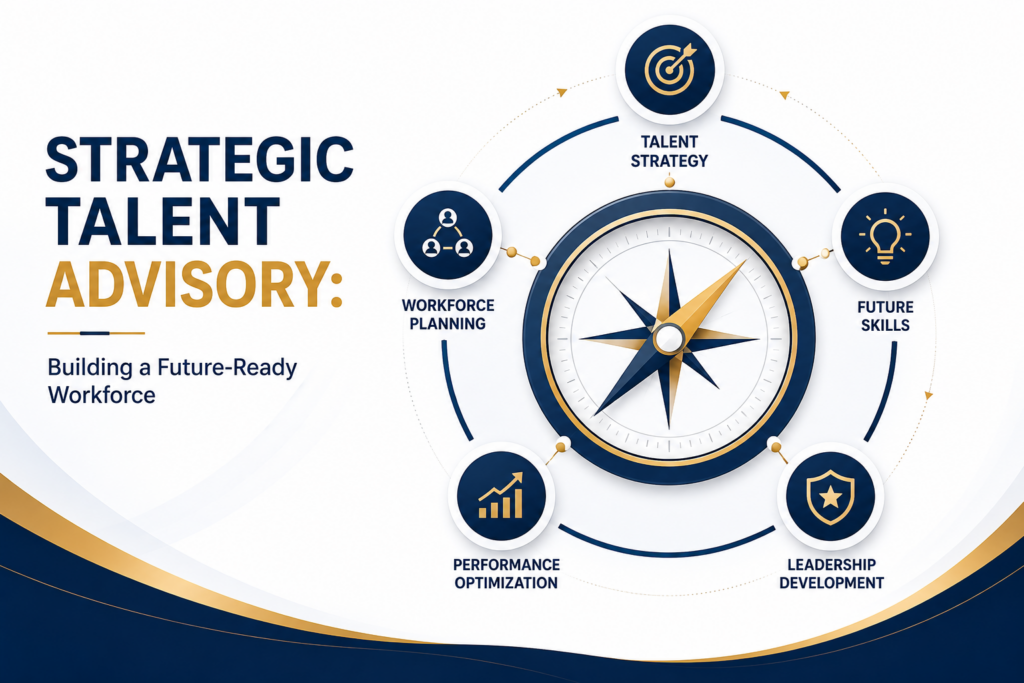
Talent Advisory for Sustainable Business Growth Align your talent strategy with business goals through expert workforce planning, leadership recruitment, succession planning, and talent management solutions. Workforce Planning Effective workforce planning helps organizations anticipate future talent requirements and prepare for business growth. It involves identifying workforce gaps, forecasting future hiring needs, aligning talent strategies with business goals, and developing workforce expansion plans. By taking a proactive approach to workforce management, businesses can avoid talent shortages, improve operational efficiency, and ensure they have the right people in place to support long-term objectives. Executive Search and Leadership Hiring Leadership positions play a critical role in shaping organizational performance and success. Talent advisory services support businesses in identifying, attracting, and securing experienced professionals for key leadership roles. Through leadership assessments, confidential talent searches, comprehensive candidate evaluations, cultural fit analysis, and succession planning, organizations can build strong leadership teams that drive innovation, growth, and business transformation. Talent Acquisition Strategy A well-defined talent acquisition strategy is essential for attracting and hiring high-quality candidates. Talent advisors work closely with organizations to optimize recruitment processes, enhance candidate experiences, strengthen sourcing strategies, build sustainable talent pipelines, and reduce time-to-hire. These strategic hiring practices lead to improved recruitment outcomes, better workforce stability, and long-term business success. Employer Branding In today’s competitive job market, candidates often evaluate employers before applying for opportunities. A strong employer brand helps organizations attract top talent, improve candidate engagement, increase offer acceptance rates, and strengthen employee retention. Companies that maintain a positive reputation in the market are more likely to attract skilled professionals and achieve successful hiring outcomes. Succession Planning Succession planning is a vital component of long-term business continuity and organizational stability. It focuses on identifying high-potential employees, developing future leaders, minimizing leadership gaps, and ensuring smooth transitions during key role changes. A structured succession planning strategy enables organizations to maintain leadership strength, reduce risks, and support sustainable growth over time. Challenges Organizations Face in Talent Management Many organizations face significant challenges in managing and retaining talent. Common issues include finding qualified candidates, retaining top performers, addressing leadership succession gaps, overcoming workforce skill shortages, adapting to changing employee expectations, and competing in highly competitive hiring markets. Talent advisory services help organizations navigate these challenges through strategic workforce planning and tailored talent solutions. How Talent Advisory Supports Business Growth An effective talent strategy directly contributes to business growth and organizational success. By improving workforce productivity, enhancing employee engagement, strengthening leadership development, reducing turnover costs, supporting business expansion, and improving overall performance, talent advisory services help businesses build a workforce capable of achieving both short-term and long-term objectives. Best Practices for Effective Talent Management Successful talent management requires a strategic and forward-thinking approach. Organizations can strengthen their workforce by developing long-term hiring strategies, investing in leadership development, building strong talent pipelines, enhancing employer branding efforts, leveraging data-driven recruitment insights, and creating meaningful employee growth opportunities. These practices help attract, develop, and retain high-performing professionals while supporting sustainable business growth. eadership capabilities, and build a workforce that drives sustainable business success. Contract Staffing vs Permanent Hiring: Which Model Works Best? Read More → Strategic Talent Advisory: Building a Future-Ready Workforce Read More → Essential HR Services Every Growing Business Needs Read More → Top Hiring Trends Shaping Recruitment Read More → Benefits of Payroll Outsourcing for Growing Businesses Read More →
HR Services

Essential HR Services Every Growing Business Needs

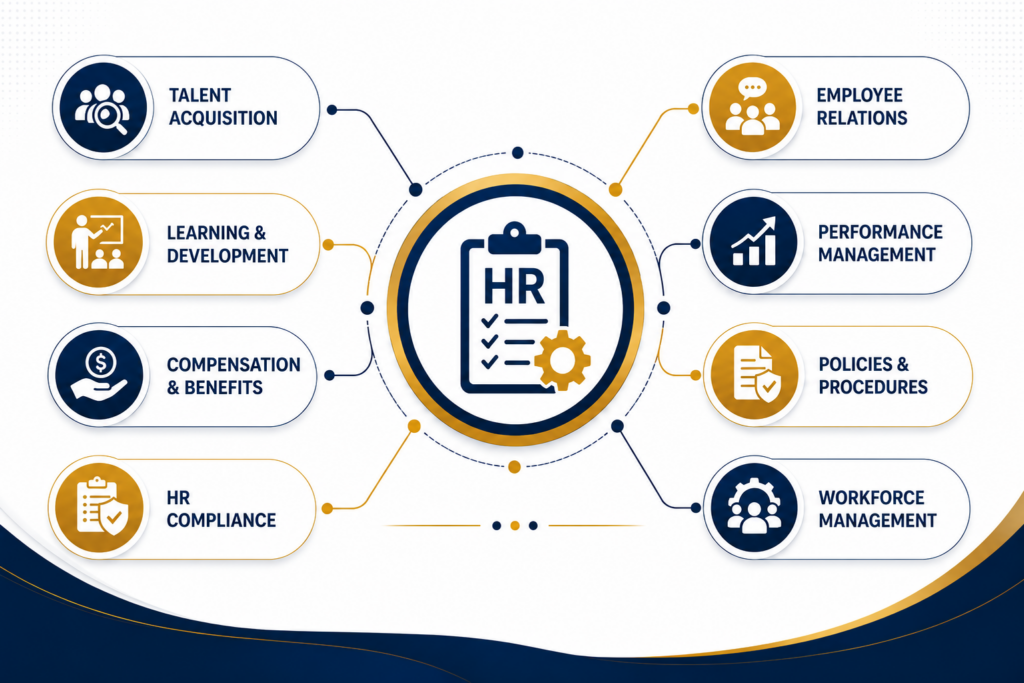
Essential HR Services for Growing Businesses Align your talent strategy with business goals through expert workforce planning, leadership recruitment, succession planning, and talent management solutions. Recruitment and Talent Acquisition Finding and hiring the right talent is one of the most important priorities for any organization. A structured recruitment process helps businesses identify qualified candidates efficiently while reducing hiring time and costs. Recruitment and talent acquisition services involve candidate sourcing, resume screening, interview coordination, skill assessments, offer management, and onboarding support. By implementing an effective hiring strategy, organizations can improve workforce quality and build strong teams that contribute to long-term business success. Employee Onboarding A well-designed onboarding process helps new employees integrate smoothly into the organization and become productive more quickly. Effective onboarding introduces employees to company culture, policies, job responsibilities, and team expectations while providing the support needed for a successful transition. Organizations that invest in a positive onboarding experience often benefit from improved employee engagement, stronger retention rates, and better alignment between individual and organizational goals. Payroll and Workforce Administration Payroll and workforce administration are essential components of efficient HR management. Accurate salary processing, attendance tracking, leave management, employee record maintenance, and payroll reporting ensure smooth workforce operations and employee satisfaction. Effective payroll administration promotes transparency, maintains compliance with employment regulations, and helps businesses operate with consistency and efficiency. HR Compliance Management Compliance with employment laws, labor regulations, and workplace policies is crucial for minimizing organizational risks. HR compliance services help businesses manage employment documentation, statutory obligations, policy implementation, workforce records, and audit preparedness. By maintaining strong compliance practices, organizations can reduce legal risks, protect their reputation, and create a fair and responsible work environment. Performance Management Employee performance plays a significant role in achieving business objectives. A structured performance management system helps organizations align individual goals with company objectives while encouraging continuous improvement. Through regular performance reviews, employee feedback, goal setting, career development planning, and recognition initiatives, businesses can improve productivity, enhance employee motivation, and support professional growth across the workforce. Employee Engagement and Retention Retaining skilled employees is often more cost-effective than continuously recruiting new talent. Employee engagement and retention strategies focus on creating a positive workplace environment where employees feel valued and motivated. Initiatives such as recognition programs, career development opportunities, training activities, wellness programs, and employee feedback systems help improve job satisfaction and strengthen long-term commitment to the organization. Engaged employees are generally more productive and contribute significantly to overall business success. Training and Development Continuous learning and skill development are essential in today’s rapidly evolving business landscape. Training and development programs help employees enhance their capabilities, improve job performance, adapt to industry changes, and prepare for future leadership opportunities. Organizations that invest in employee development build a more capable workforce, strengthen internal talent pipelines, and improve their ability to achieve long-term growth objectives. Workforce Planning and HR Strategy Strategic workforce planning enables organizations to prepare for future growth while effectively managing changing workforce requirements. This process involves analyzing workforce needs, optimizing resource allocation, supporting succession planning, and identifying potential talent gaps before they impact operations. A proactive HR strategy helps businesses remain agile, improve workforce readiness, and support sustainable expansion in a competitive business environment. Common HR Challenges Faced by Businesses Many organizations face ongoing workforce challenges, including high employee turnover, difficulties in attracting qualified candidates, compliance management complexities, workforce productivity concerns, and limited internal HR resources. These challenges can impact business performance and growth if not managed effectively. Professional HR services provide structured solutions and expert guidance that help organizations overcome these obstacles while maintaining efficient workforce operations. The Value of Outsourced HR Services As businesses grow, managing HR functions internally can become increasingly complex and resource-intensive. Outsourced HR services provide access to specialized expertise, advanced processes, and scalable workforce solutions without the need for extensive in-house HR infrastructure. By outsourcing functions such as recruitment, compliance management, payroll administration, and workforce support, organizations can improve efficiency, reduce administrative burdens, maintain compliance, and focus more effectively on their core business activities. Contract Staffing vs Permanent Hiring: Which Model Works Best? Read More → Strategic Talent Advisory: Building a Future-Ready Workforce Read More → Essential HR Services Every Growing Business Needs Read More → Top Hiring Trends Shaping Recruitment Read More → Benefits of Payroll Outsourcing for Growing Businesses Read More →
Hiring Trends

Top Hiring Trends Shaping Recruitment

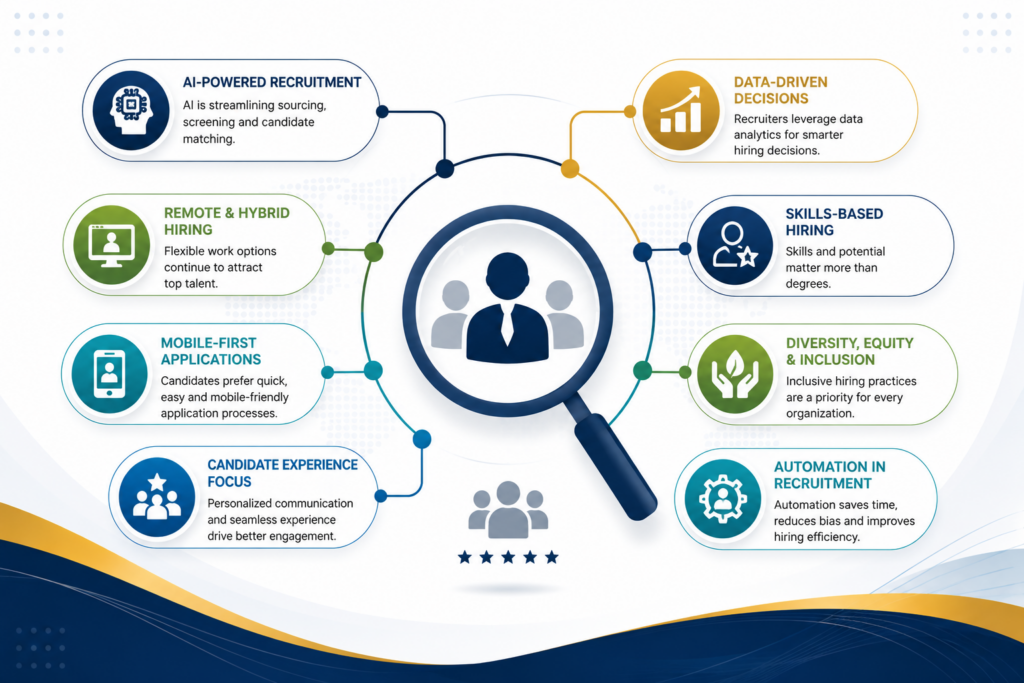
Hiring Trends Shaping Recruitment Excellence Align your talent strategy with business goals through expert workforce planning, leadership recruitment, succession planning, and talent management solutions. Skills-Based Hiring is Becoming the New Standard Organizations are increasingly shifting toward skills-based hiring as they recognize that practical abilities and real-world experience often matter more than traditional qualifications alone. Rather than focusing solely on degrees and certifications, employers are evaluating candidates based on their competencies, problem-solving abilities, and potential to succeed in a specific role. This approach allows businesses to access a wider talent pool, improve job-role alignment, make faster hiring decisions, and create more diverse and inclusive workforces. As industries continue to evolve, skills-based hiring is becoming a key strategy for identifying high-performing professionals. Artificial Intelligence is Transforming Recruitment Artificial Intelligence (AI) is playing an increasingly important role in modern recruitment processes. Organizations are leveraging AI-powered tools to automate repetitive and time-consuming tasks such as resume screening, candidate sourcing, interview scheduling, and recruitment analytics. By streamlining these activities, AI enables HR professionals and recruiters to focus more on strategic decision-making, relationship building, and candidate engagement. As recruitment technology continues to advance, AI is helping businesses improve hiring efficiency, reduce recruitment costs, and make more data-driven talent decisions. Candidate Experience is a Business Priority In today’s competitive job market, candidate experience has become a critical factor in recruitment success. Job seekers expect recruitment processes to be transparent, responsive, and easy to navigate. Organizations are therefore investing in better communication practices, faster feedback cycles, user-friendly application systems, and more engaging recruitment journeys. A positive candidate experience not only improves employer reputation but also increases offer acceptance rates, reduces candidate drop-offs, and helps build stronger talent pipelines for future hiring needs. Businesses that prioritize candidate experience often gain a significant advantage in attracting top talent. Workforce Flexibility Continues to Grow Workforce flexibility has become a defining trend in modern employment practices. Organizations are increasingly adopting flexible workforce models to meet changing business requirements and employee expectations. This includes contract staffing, project-based hiring, hybrid work environments, and remote workforce solutions. These flexible approaches provide businesses with greater agility, allowing them to scale resources efficiently while maintaining productivity and operational effectiveness. At the same time, workforce flexibility supports employee work-life balance and helps organizations attract professionals who value adaptable working arrangements. Employer Branding Drives Recruitment Success Employer branding has become a powerful factor in attracting and retaining talent. Candidates now research potential employers extensively before applying for opportunities, making organizational reputation more important than ever. A strong employer brand communicates company culture, career growth opportunities, organizational values, and employee success stories in a compelling way. Businesses that actively invest in employer branding often attract more qualified applicants, improve candidate engagement, strengthen employee loyalty, and enhance long-term retention. In a competitive talent market, a positive employer brand can be a significant differentiator that supports recruitment success and workforce stability.       Contract Staffing vs Permanent Hiring: Which Model Works Best? Read More → Strategic Talent Advisory: Building a Future-Ready Workforce Read More → Essential HR Services Every Growing Business Needs Read More → Top Hiring Trends Shaping Recruitment Read More → Benefits of Payroll Outsourcing for Growing Businesses Read More →

Payroll

Benefits of Payroll Outsourcing for Growing Businesses

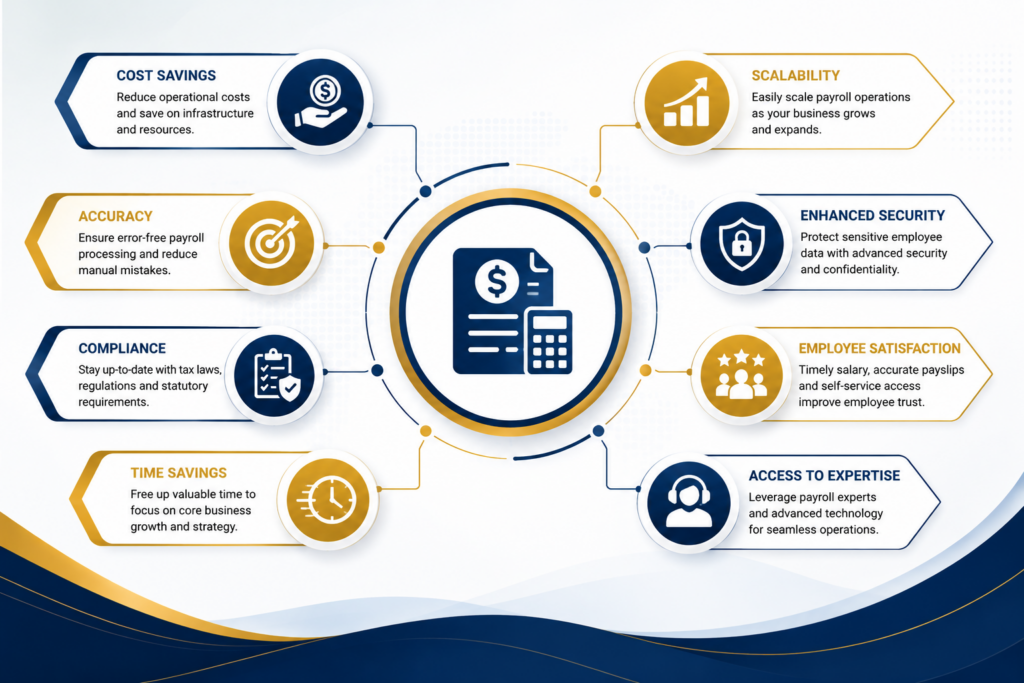
Benefits of Payroll Outsourcing for Growing Businesses Align your talent strategy with business goals through expert workforce planning, leadership recruitment, succession planning, and talent management solutions. Improved Accuracy Payroll processing involves multiple calculations, including salaries, incentives, deductions, reimbursements, and statutory contributions. Even small mistakes can create confusion among employees and lead to compliance concerns. Payroll outsourcing helps organizations improve accuracy by utilizing structured systems, automated processes, and experienced professionals who ensure salary calculations are completed correctly and consistently. This reduces the risk of errors and helps maintain employee trust and satisfaction. Regulatory Compliance Employment laws, tax regulations, and statutory requirements frequently change, making compliance management a challenging task for many organizations. Payroll outsourcing providers stay updated with the latest legal and regulatory requirements, ensuring that payroll processes remain compliant at all times. By relying on expert support, businesses can reduce the risk of penalties, legal issues, and compliance-related disruptions while maintaining confidence in their payroll operations. Time and Cost Savings Managing payroll internally requires significant administrative effort, dedicated resources, and ongoing monitoring. Payroll outsourcing reduces this operational burden by allowing experienced professionals to handle payroll functions efficiently. This enables HR and management teams to focus on strategic business initiatives, employee engagement, and organizational growth rather than spending valuable time on repetitive payroll administration tasks. As a result, businesses often experience both time savings and improved cost efficiency. Enhanced Data Security Payroll data contains highly sensitive employee and financial information that must be protected from unauthorized access and potential security threats. Professional payroll service providers implement secure systems, controlled access protocols, and structured data management processes to safeguard confidential information. This enhanced level of security helps organizations minimize risks related to data breaches while ensuring employee information remains protected and confidential. Better Reporting and Transparency Effective payroll management requires clear visibility into workforce expenses and payroll-related activities. Payroll outsourcing providers generate detailed reports that help organizations monitor payroll costs, compliance records, employee compensation data, and workforce trends. These insights support better decision-making, improve transparency, and provide management with accurate information for financial planning and workforce management. Scalability for Business Growth As organizations expand, payroll processes become increasingly complex due to larger workforces, multiple departments, and operations across different locations. Outsourced payroll solutions are designed to scale alongside business growth, making it easier to manage increasing workforce requirements without disrupting payroll operations. This flexibility allows businesses to focus on expansion while maintaining efficient and reliable payroll administration. Common Payroll Challenges Businesses Face Many organizations struggle with payroll-related challenges such as manual processing errors, delayed salary payments, compliance management complexities, difficulties maintaining employee records, limited reporting visibility, and resource-intensive administrative workloads. These issues can impact employee satisfaction, operational efficiency, and regulatory compliance. Payroll outsourcing helps overcome these challenges by introducing standardized processes, automation, and expert support that improve overall payroll performance and reliability. How Payroll Outsourcing Supports Business Growth Efficient payroll management plays a significant role in supporting business growth and workforce stability. By outsourcing payroll functions, organizations can improve workforce administration, enhance employee experience, reduce compliance risks, and increase operational efficiency. With fewer administrative responsibilities, management teams can devote more time and resources to business development, customer service, and revenue-generating activities. This creates a stronger foundation for sustainable growth and long-term success. Best Practices for Effective Payroll Management Successful payroll management requires a proactive and organized approach. Organizations should focus on maintaining accurate employee records, regularly reviewing payroll procedures, monitoring changing compliance requirements, implementing secure data management practices, and conducting periodic payroll audits. Partnering with an experienced payroll service provider further strengthens payroll accuracy, compliance, and efficiency while reducing administrative challenges. These best practices help businesses create reliable payroll systems that support both employees and organizational objectives. Contract Staffing vs Permanent Hiring: Which Model Works Best? Read More → Strategic Talent Advisory: Building a Future-Ready Workforce Read More → Essential HR Services Every Growing Business Needs Read More → Top Hiring Trends Shaping Recruitment Read More → Benefits of Payroll Outsourcing for Growing Businesses Read More →

WhatsApp icon
Scroll to Top